Pulled pork is one of the most forgiving and rewarding smoker cooks. Pork shoulder has plenty of fat and connective tissue, which break down over long, low cooking into tender, juicy meat. It feeds a crowd, and leftovers freeze well.
This guide covers a general method for smoked pulled pork. Times vary with size, smoker and weather, so cook to temperature and tenderness. Follow food safety guidance from recognized authorities.
Choosing Pork Shoulder
Boston Butt
The upper part of the shoulder. Well marbled, commonly used for pulled pork.
Picnic Shoulder
The lower part of the shoulder. Often sold with skin; can also be pulled.
Bone-In vs. Boneless
Bone-in shoulders are popular and the bone pulls cleanly when the meat is done. Boneless shoulders may be tied to hold shape.
Trimming
Trim loose pieces and very thick fat. Leave some fat for moisture. Some cooks score the fat cap.
Seasoning
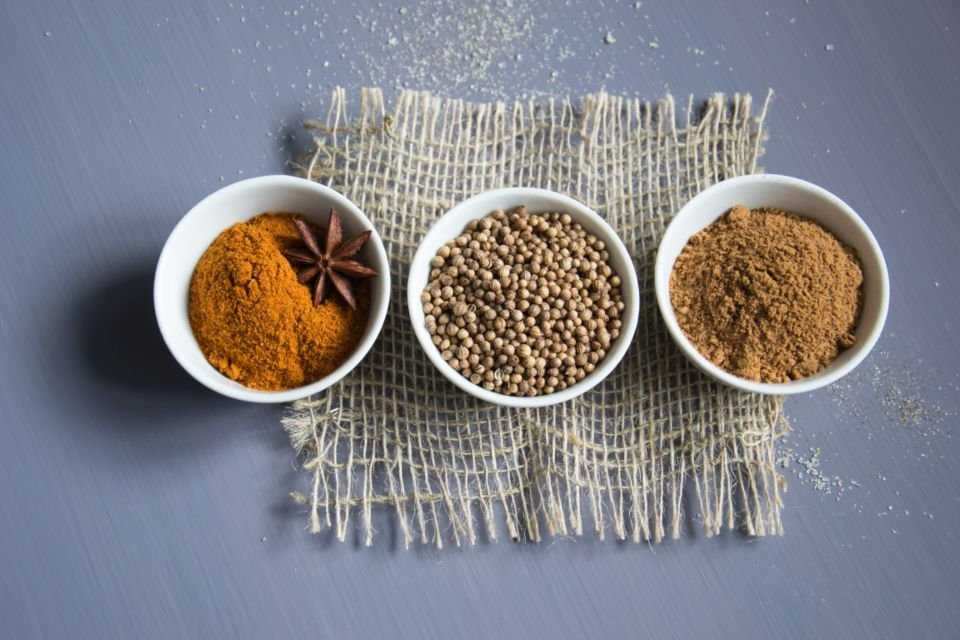
A rub might include salt, pepper, paprika, brown sugar, garlic and chili powder. Apply evenly. Some cooks use a binder such as mustard or oil to help the rub stick. See dry rub basics.
Smoking
Temperature
Many cooks smoke pork shoulder somewhere in the range of about 225 to 275 degrees Fahrenheit.
Wood
Hickory, apple, cherry and pecan are popular. See the best wood for smoking guide.
Spritzing
Some cooks spritz with apple juice, cider vinegar or water. It is optional.
The Stall
Like brisket, pork shoulder often stalls for hours. Be patient or wrap. See the stall explained.
Wrapping
Wrapping in foil or butcher paper can speed cooking and keep meat moist. Some add liquid or butter. Wrapping softens bark somewhat.
Knowing When It Is Done
Pulled pork is done when it is tender enough to pull. Many cooks aim for an internal temperature somewhere around 195 to 205 degrees Fahrenheit and check that a probe slides in easily. On bone-in shoulders, the bone should wiggle and pull out cleanly.
Resting
Rest the shoulder wrapped for at least an hour, often in a cooler with towels. This makes pulling easier and keeps meat juicy.
Pulling
- Wear heat-resistant gloves
- Remove the bone
- Pull the meat into shreds with gloves, forks or claws
- Discard large fat pieces
- Mix bark throughout
- Season with a little more rub or a splash of sauce if desired
Serving Ideas
- Sandwiches with slaw
- Tacos
- Nachos
- Mac and cheese topping
- Salads
Sauces
Sauce styles vary by region: tomato-based, vinegar-based, mustard-based and more. Serve sauce on the side so guests can choose.
Storing and Reheating
- Refrigerate leftovers promptly
- Freeze portions with some juice
- Reheat gently with a splash of liquid until thoroughly heated
Planning for a Crowd
Pork shoulder loses weight during cooking. Plan generously. Cook early and hold, since timing is unpredictable.
Questions to Ask Before You Cook
- How many people am I feeding?
- When do I need to serve?
- Do I have enough fuel?
Common Mistakes
- Pulling too early
- Skipping the rest
- Oversaucing
- Not planning enough time
A Note on Food Safety
Keep raw pork refrigerated until you season it, and wash hands, boards and tools after handling raw meat. Pork shoulder cooked for pulling ends up well above minimum safe temperatures recommended by food safety authorities, but leftovers still need prompt refrigeration. Reheat leftovers until thoroughly heated, and follow USDA guidance on storage times.
Comparison of Wrapping Options
| Option | Bark | Speed | Moisture |
|---|---|---|---|
| Unwrapped | Firm bark | Slower | Some evaporation |
| Butcher paper | Mostly preserved | Faster | Moderate |
| Foil | Softer | Fastest | Highest |
| Foil pan | Softer | Fast | Collects juices |
Starting Small
If a full shoulder feels like a big project, buy a smaller one. Smaller cuts cook in less time, and you still learn about the stall, bark and pulling. Keep notes on weight, time, temperature and results to improve your next cook.
Final Pre-Cook Check
- Pork shoulder trimmed and seasoned
- Smoker cleaned and fueled
- Wood ready
- Thermometer charged
- Foil or butcher paper on hand
- Cooler and towels ready for resting
A Note on Injecting
Some cooks inject pork shoulder with a seasoned liquid, such as apple juice mixed with salt and spices, before smoking. Injecting can add moisture and flavor inside the meat. It is optional; pork shoulder is naturally fatty and stays moist without it. If you inject, keep the liquid and injector clean and refrigerate the meat until cooking.
A Note on Fuel Planning
Long cooks need plenty of fuel. Before starting, check that you have enough charcoal, pellets or splits for the full cook plus extra for unexpected delays. Running out of fuel during the stall is a common frustration, and restarting a fire can cause temperature swings.
Questions to Ask After Cooking
- Was the bark as firm as I wanted?
- Did the meat pull easily?
- How long did the stall last?
- What would I change next time?
A Note on Bark Texture
Pork shoulder bark can be firm and chewy or softer, depending on wrapping, spritzing and smoker temperature. Mixing bark pieces into pulled meat spreads that flavor throughout. Some cooks set aside extra bark for those who like it most. Experiment over a few cooks to find your preference.
Frequently Asked Questions
How long does pulled pork take?
It varies widely; plan generously.
Bone-in or boneless?
Both work.
What temperature is pulled pork done?
Many cooks aim for roughly 195 to 205 degrees Fahrenheit and probe tenderness.
Should I wrap pork shoulder?
It is optional.
How do I keep pulled pork moist?
Rest it, mix in juices and reheat gently.
The Bottom Line
Season a pork shoulder, smoke at a steady temperature, push through the stall, cook to tenderness, rest, pull and serve. See beginner smoker recipes.
Editorial note: Brisketry is independent and reader-supported. This guide is based on research into manufacturer documentation, published specifications and widely accepted best practices; we have not been paid to mention any product. If we add affiliate links in the future, they will be clearly disclosed per our Affiliate Disclosure.
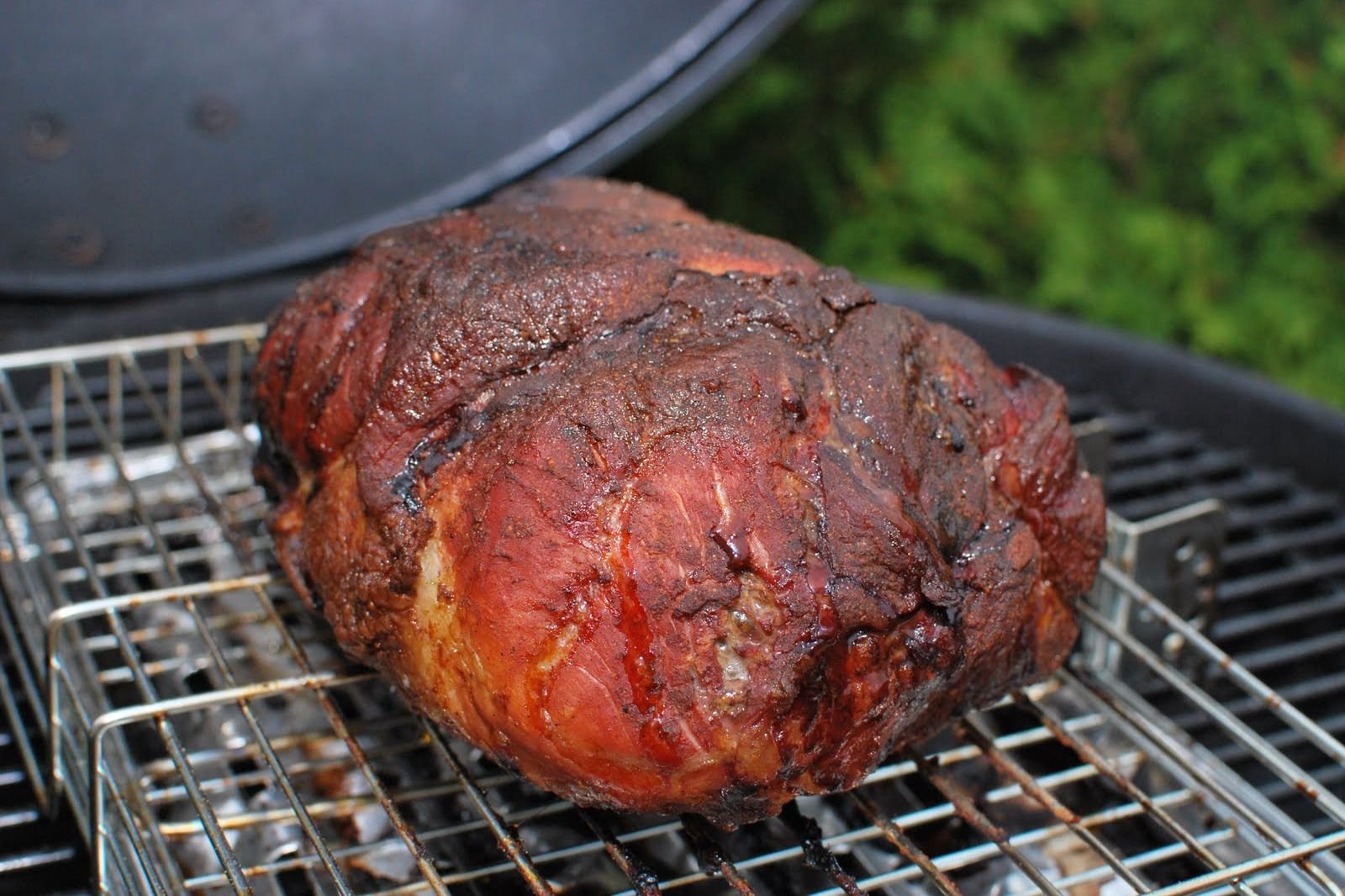
Photo: Pulled pork 005 by Christian Geischeder, CC BY 3.0