Wood is the source of smoke flavor in barbecue. Different woods produce different flavors and intensities, and the form of the wood affects how it burns in your cooker. Choosing wood is part science and part personal taste, and many cooks enjoy experimenting.
This guide covers common smoking woods, how they are often described and how to use them. Flavor descriptions are subjective. Always use clean, dry, untreated wood intended for cooking.
Wood Forms
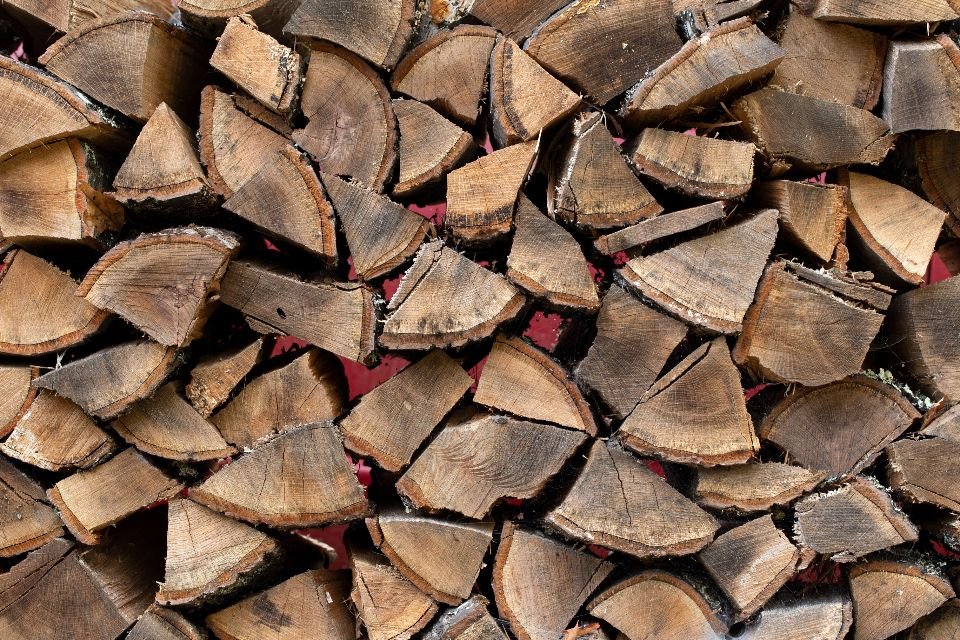
Splits (Logs)
Larger pieces used as the main fuel in offset smokers.
Chunks
Fist-sized pieces added to charcoal in kettles, kamados and drum smokers. They smolder for a long time.
Chips
Small pieces that burn quickly. Often used in gas grills or electric smokers.
Pellets
Compressed sawdust used in pellet grills. Some pellets blend woods. Check whether pellets are labeled for cooking. See pellet vs. offset smokers.
Common Woods
Oak
Often described as medium in strength and versatile. A traditional choice for brisket.
Hickory
Often described as strong and savory. Popular for pork and ribs. Too much can taste bitter to some.
Mesquite
Often described as strong and earthy. Burns hot. Some prefer it for quick cooks or in small amounts.
Pecan
Often described as similar to hickory but milder and slightly sweet.
Apple
A fruitwood often described as mild and slightly sweet. Popular for pork and poultry.
Cherry
Often described as mild and fruity and known for adding a darker color to meat.
Maple
Often described as mild and slightly sweet.
Alder
Mild; traditionally used for fish in some regions.
Pairing Ideas
| Food | Commonly paired woods |
|---|---|
| Beef brisket | Oak, hickory, mesquite |
| Pork shoulder and ribs | Hickory, apple, cherry, pecan |
| Poultry | Apple, cherry, maple, pecan |
| Fish | Alder, fruitwoods |
| Vegetables | Mild fruitwoods |
These are starting points. Experiment to find your preference.
Mixing Woods
Many cooks blend a strong wood with a fruitwood, such as hickory with cherry.
Clean Smoke
Thin, bluish smoke is generally considered better than thick white smoke, which can make food taste acrid. Clean smoke comes from good airflow and properly burning wood.
Soaking Wood
Some cooks soak chips; many argue soaking mostly produces steam and delays smoke. Chunks and splits typically are not soaked. Try both approaches if curious.
Seasoned Wood
Splits should be seasoned, meaning dried. Green wood produces more smoke and burns poorly.
Storage
Store wood off the ground, covered and ventilated. Keep pellets dry in sealed containers.
Woods to Avoid
- Treated, painted or stained wood
- Pressure-treated lumber
- Plywood and composite wood
- Wood with mold
- Softwoods with high resin, such as pine, which many cooks avoid
- Unknown or scrap wood
Questions to Ask
- What form does my cooker use?
- How strong do I want the smoke?
- Is the wood clean and seasoned?
Common Mistakes
- Using too much strong wood
- Burning green or treated wood
- Smoldering wood with poor airflow
- Storing pellets where they get wet
How Much Wood to Use
Smoke is an ingredient, and too much can overpower food. On charcoal cookers, many cooks start with a few chunks and add more only if they want stronger flavor. On offset smokers, wood is the fuel, so the focus is on clean-burning fire rather than quantity. On pellet grills, the controller manages fuel, and wood choice affects flavor more than amount.
A Note on Bark and Smoke Ring
Bark is the dark, flavorful crust that forms from rub, smoke and rendered fat. The smoke ring is the pink layer under the surface, caused by chemical reactions involving gases from burning fuel. A smoke ring looks impressive but does not by itself indicate flavor or doneness. Good bark and balanced smoke flavor matter more to most eaters.
A Note on Buying Wood
Buy cooking wood from sources that label species and confirm it is untreated. If buying splits locally, ask how long the wood has been seasoned. Check for mold, insects and rot. Some areas restrict moving firewood to prevent spreading pests, so buy locally when required.
Starting Small
Pick one mild wood, such as apple or cherry, and one stronger wood, such as hickory or oak. Cook the same food with each and compare. Simple side-by-side tests teach you more than buying many varieties at once.
Final Pre-Cook Check
- Wood species known and suited to the food
- Wood dry, untreated and free of mold
- Enough wood for the full cook
- Fire burning cleanly with thin, light smoke
- Vents open enough for good airflow
Questions to Ask
- Is this food delicate or robust?
- Do I want mild or strong smoke flavor?
- What wood can I buy locally?
A Note on Wood Form
Chunks suit charcoal smokers and kamados because they smolder for a long time. Chips burn quickly and suit gas grill smoker boxes and short cooks. Splits fuel offset smokers. Pellets are made for pellet grills and some smoker tubes. Use the form your cooker is designed for, and avoid soaking chunks, which mainly delays smoke rather than improving it.
A Note on Mixing Woods
Many cooks blend woods, such as a mild fruitwood with a little hickory, to balance sweetness and strength. Start with simple combinations and adjust.
Frequently Asked Questions
What is the best wood for brisket?
Oak and hickory are traditional.
What is the best wood for chicken?
Mild fruitwoods are popular.
Should I soak wood chips?
It is debated.
Can I use wood from my yard?
Only if you know the species and it is clean and seasoned.
What wood should I avoid?
Treated, painted, moldy and resinous softwoods.
The Bottom Line
Choose clean, seasoned hardwoods or fruitwoods in the form your cooker uses, match strength to food, aim for clean smoke and experiment. See beginner smoker recipes.
Editorial note: Brisketry is independent and reader-supported. This guide is based on research into manufacturer documentation, published specifications and widely accepted best practices; we have not been paid to mention any product. If we add affiliate links in the future, they will be clearly disclosed per our Affiliate Disclosure.
Photo: Split Wood by Free Nature Stock, CC0 1.0