A dry rub is a mix of salt, spices and sometimes sugar applied to meat before cooking. It seasons the surface, contributes to bark and adds flavor. Store-bought rubs are convenient, but making your own lets you control salt, sugar and heat.
This guide explains how rubs are built and how to use them. The ratios are starting points to adjust to taste, not definitive recipes.
Building Blocks
Salt
Salt seasons and helps draw moisture to the surface, which can then be reabsorbed. Kosher salt and coarse salt are common. Different salts vary in saltiness by volume, so measure by weight if possible.
Pepper
Coarse black pepper adds bite and texture. It is central to many brisket rubs.
Sugar
Brown sugar, white sugar or turbinado adds sweetness and helps with color. Sugar can burn at high temperatures, so many cooks use less sugar for hot grilling.
Chili and Paprika
Paprika adds color and mild flavor. Chili powders and cayenne add heat.
Aromatics
Garlic powder, onion powder, cumin, mustard powder, celery seed and dried herbs add depth.
Starting Ratios
Simple Brisket Rub
Many cooks start with roughly equal parts coarse salt and coarse black pepper by volume, sometimes adding garlic powder. Adjust to taste. See how to smoke a brisket.
All-Purpose Pork Rub
A starting point might combine brown sugar, paprika, salt, black pepper, garlic powder, onion powder and a little cayenne. Adjust sweetness and heat to taste. See the smoked pulled pork guide.
Poultry Rub
Paprika, salt, pepper, garlic powder, onion powder and dried herbs such as thyme work well.
Applying a Rub
- Pat meat dry
- Apply a binder if desired
- Sprinkle rub evenly from a height for even coverage
- Cover all sides
- Let it sit until the surface looks moist
Binders
Mustard, oil or hot sauce help rubs stick. Most binder flavor cooks off.
Timing
Some cooks apply rubs right before cooking; others apply salt or rub hours ahead. Salting ahead is sometimes called dry brining. Refrigerate meat while it rests with rub.
Amount
Coat evenly without caking. Thicker cuts can take more.
Storage
Store rubs in airtight containers away from heat and light. Label with ingredients and date.
Food Safety
- Do not dip fingers that touched raw meat into the rub container
- Pour what you need into a separate bowl
- Discard leftover rub that touched raw meat
Adjusting Flavor
Keep notes on each batch. Change one ingredient at a time.
Questions to Ask
- How hot will I cook?
- How salty is my salt?
- Do I want sweet, savory or spicy?
Common Mistakes
- Using too much sugar for high heat
- Contaminating the rub container
- Over-salting with fine salt
- Uneven application
A Note on Salt Types
Different salts have different crystal sizes, so a tablespoon of one may be noticeably saltier than a tablespoon of another. Fine table salt packs more densely than flaky kosher salt. If you swap salts, adjust amounts and taste as you go. Weighing ingredients makes recipes more repeatable.
A Note on Store-Bought Rubs
Commercial rubs are convenient. Read the label for salt, sugar and allergens, and taste a small amount. Some are quite salty, so apply less salt elsewhere. You can also blend a store-bought rub with your own pepper or herbs.
Comparison Table
| Rub style | Main ingredients | Common uses |
|---|---|---|
| Salt and pepper | Coarse salt, pepper | Brisket, beef |
| Sweet | Brown sugar, paprika | Pork, ribs |
| Savory herb | Herbs, garlic | Poultry |
| Spicy | Chili, cayenne | Wings, pork |
Starting Small
Make small batches until you find blends you like. Write down measurements so you can repeat them.
A Note on Heat Levels
Heat comes from cayenne, chili powders, chipotle, crushed red pepper and black pepper. Start mild, especially when cooking for a group, and offer hot sauce on the side. You can always add heat at the table but cannot take it out of the rub.
A Note on Sugar and Temperature
Sugar caramelizes and adds color, but it can scorch at higher temperatures. For low and slow smoking, sweet rubs usually do well. For high-heat grilling, many cooks reduce sugar or apply sweet glazes near the end. Watch food closely when grilling sweet rubs over direct heat.
Final Pre-Cook Check
- Rub mixed and tasted
- Separate bowl for application
- Meat patted dry
- Binder on hand if wanted
- Leftover rub stored safely
Questions to Ask After Cooking
- Was it too salty, sweet or spicy?
- Did the bark form well?
- What would I change next time?
A Note on Fresh Spices
Ground spices lose aroma over time. If a jar smells faint, it will taste faint too. Buy smaller quantities, store them away from heat and sunlight and replace old jars. Toasting and grinding whole spices like cumin and coriander yourself can give brighter flavor.
A Note on Sauces and Rubs Together
Rubs and sauces complement each other. If you plan to sauce at the end, consider a rub with less sugar to avoid overly sweet results.
Using Rubs Beyond Barbecue
Rubs also season roasted potatoes, popcorn, grilled corn, roasted nuts and eggs. A little goes a long way, especially with salty blends.
Frequently Asked Questions
What is a dry rub?
A blend of salt and spices applied before cooking.
Do I need a binder?
It is optional.
When should I apply rub?
Before cooking; some apply hours ahead.
Can I use rub on vegetables?
Yes.
How long does homemade rub last?
Stored well, it keeps for a while, though spices lose potency over time.
The Bottom Line
Build rubs from salt, pepper, sugar, chili and aromatics, adjust to taste and cooking temperature, apply evenly and store well. See beginner smoker recipes.
Editorial note: Brisketry is independent and reader-supported. This guide is based on research into manufacturer documentation, published specifications and widely accepted best practices; we have not been paid to mention any product. If we add affiliate links in the future, they will be clearly disclosed per our Affiliate Disclosure.
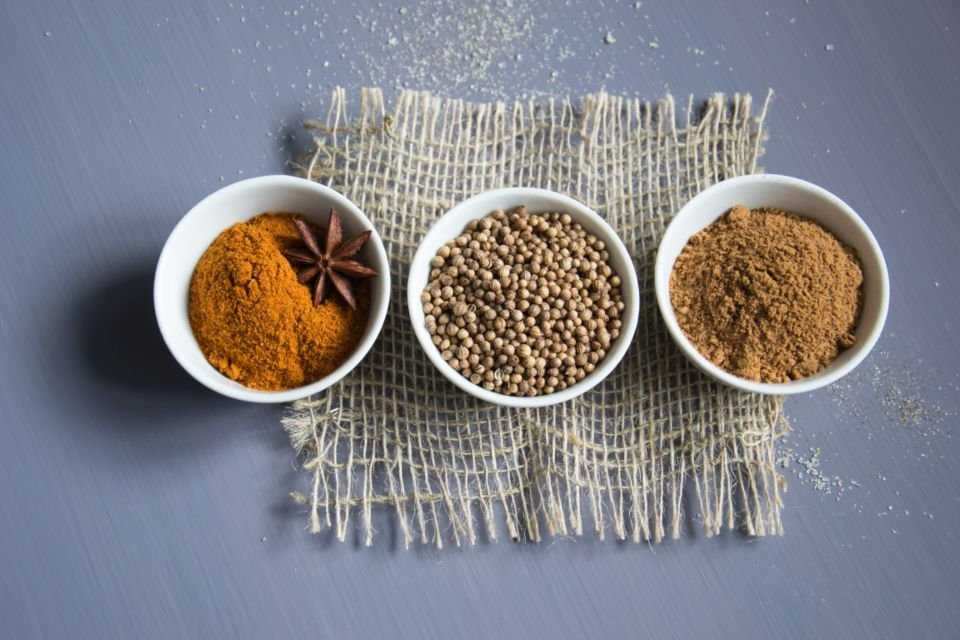
Photo: Spices Ingredients by Marina Pershina, CC0 1.0