If you learn one grilling technique, make it two-zone cooking. Instead of spreading heat evenly across the grill, you create one hot area for direct cooking and one cooler area for indirect cooking. This simple setup gives you control: you can sear over high heat and then move food to the cooler side to finish without burning.
This guide explains how to set up two zones on charcoal and gas grills and how to use them. Follow your grill’s manual and safe grilling practices.
Why Two Zones Work
Direct heat cooks food quickly from below, browning the surface. It is ideal for thin foods and searing. Indirect heat surrounds food with hot air, cooking it more gently, like an oven. It suits thicker foods that would burn before cooking through over direct heat.
With both zones available, you can:
- Sear and then finish thick steaks or chops
- Cook chicken pieces through without burning skin
- Escape flare-ups by moving food
- Hold finished food warm
- Smoke on the indirect side
Setting Up a Charcoal Grill
- Light charcoal, often with a chimney starter
- Pour hot coals onto one side of the grill
- Leave the other side empty
- Place the cooking grate and preheat with the lid on
- Adjust vents to control temperature
Some cooks place a drip pan under the indirect side. Others use charcoal baskets or a snake arrangement for longer cooks.
Setting Up a Gas Grill
- Turn on burners on one side to the desired heat
- Leave burners on the other side off or low
- Close the lid to preheat
Grills with three or more burners can create a hot side and a cool side, or heat both outer burners and cook in the middle.
Reverse Searing
Reverse searing is a popular two-zone technique for thick steaks and roasts:
- Season the meat
- Cook on the indirect side until it approaches your target temperature
- Move to the direct side to sear
- Check final temperature with a thermometer
This approach often produces even doneness. See the meat thermometer guide.
Traditional Sear-Then-Finish
- Sear over direct heat
- Move to indirect heat to finish
Managing Flare-Ups
Flare-ups happen when fat drips onto hot coals or burners. With two zones, you can move food to the cool side until flames die down. Keep the lid closed to limit oxygen. Trim excess fat before grilling and clean grease trays regularly.
Foods That Benefit
- Thick steaks and chops
- Bone-in chicken pieces
- Sausages
- Whole chickens
- Roasts
- Vegetables that need longer cooking
Thin foods such as burgers, shrimp and sliced vegetables can cook entirely over direct heat.
Smoking with Two Zones
Add wood chunks to the coals or a smoker box over the hot burners, and place food on the indirect side. Kettle grills can smoke ribs and chicken effectively this way. See beginner smoker recipes.
Controlling Temperature
- Charcoal: Adjust vents, add or remove coals
- Gas: Adjust burners
- Use a grill-level thermometer to check the indirect side
Questions to Ask Before You Cook
- Does this food need direct, indirect or both?
- How thick is it?
- What temperature do I need?
Common Mistakes
- Spreading coals evenly across the grill
- Cooking thick food over direct heat only
- Opening the lid too often
- Ignoring flare-ups
A Note on Grill Thermometers
Lid thermometers measure air near the lid, which can differ from the temperature at grate level. On the indirect side, a probe clipped near the food gives a better reading. Use an instant-read or leave-in probe for the food itself, and cook to safe internal temperatures according to food safety guidance.
Comparison Table
| Food | Direct | Indirect | Both |
|---|---|---|---|
| Thin burgers | Yes | Rarely needed | Optional |
| Thick steaks | Sear | Finish | Reverse sear |
| Bone-in chicken | Crisp skin | Cook through | Common |
| Sausages | Brown | Finish | Common |
| Whole chicken | No | Yes | Optional crisp |
| Vegetables | Thin pieces | Thick pieces | Common |
Starting Small
Practice two-zone cooking with sausages or chicken thighs. They are forgiving, inexpensive and teach you how food moves between zones. Once comfortable, try reverse searing a thick steak.
A Note on Charcoal Quantity
How much charcoal to use depends on grill size, food and cook length. A smaller pile on one side keeps temperatures moderate; a larger pile raises them. Adding unlit coals near lit ones extends cooking time. Keep notes on what works with your grill.
A Note on Lid Use
Keeping the lid closed turns the grill into an oven, which is essential for indirect cooking. Each time you open the lid, heat escapes and cooking slows. Check food with a thermometer quickly and close the lid again. For direct cooking of thin foods, the lid can stay open if you prefer.
Final Pre-Cook Check
- Coals or burners on one side only
- Grill preheated with lid closed
- Thermometer ready
- Tongs and gloves at hand
Questions to Ask After Cooking
- Did the sear develop well?
- Did food cook evenly through?
- Were flare-ups manageable?
- How long did each zone take?
- What would I change next time?
Frequently Asked Questions
What is two-zone grilling?
A setup with a hot direct zone and a cooler indirect zone.
Can I do it on a gas grill?
Yes, by turning off burners on one side.
What is reverse searing?
Cooking indirectly first, then searing.
Does two-zone cooking work for burgers?
Burgers often cook fine over direct heat, but a cool zone helps with flare-ups.
How do I smoke on a kettle grill?
Use a two-zone setup with wood chunks.
The Bottom Line
Two-zone grilling gives you control. Create a hot side and a cool side, sear and finish, manage flare-ups and use a thermometer. See charcoal vs. gas grills.
Editorial note: Brisketry is independent and reader-supported. This guide is based on research into manufacturer documentation, published specifications and widely accepted best practices; we have not been paid to mention any product. If we add affiliate links in the future, they will be clearly disclosed per our Affiliate Disclosure.
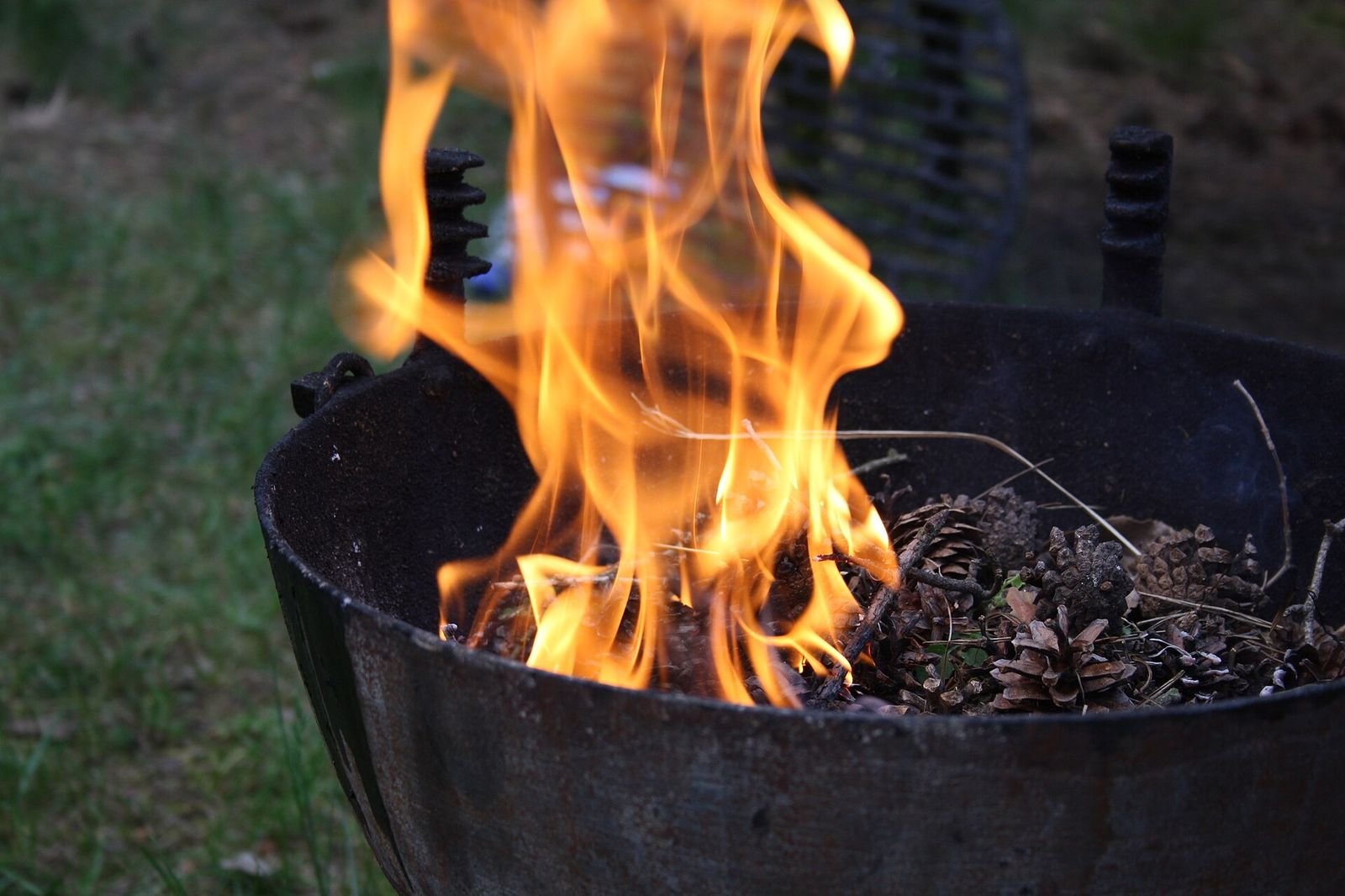
Photo: Preparing grill for grilling, grill with flames and cones near Hostákov, Vladislav, Třebíč District by Frettie, CC BY 3.0