Brisket has a reputation as the hardest thing to cook on a smoker, and it earns some of that reputation. It is a large, tough cut that needs many hours of low heat to become tender. The good news is that the process is not complicated. Most of the challenge is patience, steady temperature and knowing when it is done.
This guide walks through smoking a whole brisket from start to finish. Times vary widely with the size of the brisket, your smoker, the weather and how you cook, so treat any timing as a rough planning range rather than a promise. Follow food safety guidance from recognized sources and your smoker’s manual.
Understanding the Cut
A whole brisket, often called a packer brisket, includes two muscles:
- The flat: Leaner, uniform in thickness and often sliced
- The point: Fattier, thicker and often used for burnt ends or juicy slices
A thick fat layer, called the fat cap, covers one side. Between the point and flat is a seam of fat.
Smaller cuts labeled “brisket flat” are easier to find in some stores but can dry out more easily because they have less fat.
Choosing a Brisket
- Look for a brisket that bends somewhat when held in the middle, which many cooks associate with tenderness
- Look for marbling in the flat
- Choose a size that fits your smoker and your crowd
- Higher grades usually have more marbling
Trimming
Trimming helps the brisket cook evenly and lets seasoning and smoke reach the meat.
- Work with a cold brisket; it is easier to trim
- Trim the fat cap to an even layer, often around a quarter inch, according to preference
- Remove hard fat that will not render
- Round sharp edges and thin pieces that could burn
- Trim silver skin on the meat side
Save trimmings for rendering tallow or grinding, if you like.
Seasoning
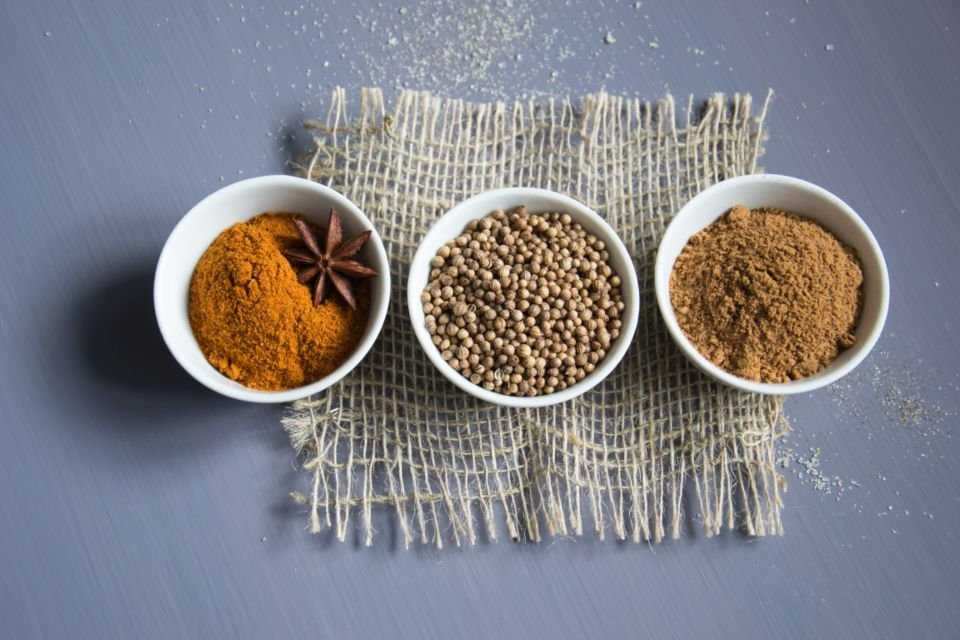
Many cooks use a simple rub of coarse salt and coarse black pepper. Others add garlic, onion, paprika or chili powder. Apply evenly on all sides. Some cooks season the night before; others season just before cooking. See dry rub basics.
Smoker Setup
Temperature
Many brisket cooks run their smokers somewhere in the range of about 225 to 275 degrees Fahrenheit. Lower temperatures take longer; higher temperatures cook faster. Consistency matters more than the exact number.
Wood
Oak, hickory and mesquite are traditional choices. See the best wood for smoking guide.
Placement
Position the brisket so the thicker point faces the hotter part of your smoker, if your smoker has hot spots. Fat side up or down is debated; many cooks choose based on where heat comes from.
The Cook
Monitoring Temperature
Use a reliable thermometer to monitor both the smoker and the meat. See the meat thermometer guide.
Spritzing
Some cooks spritz with water, broth or apple cider vinegar to keep the surface moist. Others avoid opening the lid. Both approaches can work.
The Stall
Partway through the cook, the internal temperature may stop rising for hours. This is normal and is commonly attributed to evaporative cooling. See the stall explained.
Wrapping
Many cooks wrap the brisket after a good bark forms:
- Butcher paper: Allows some airflow, helping preserve bark
- Foil: Speeds cooking but can soften bark
Others cook unwrapped the whole time. Wrapping is optional.
Knowing When It Is Done
Brisket is done when it is tender, not at a single number. Many cooks start checking as the internal temperature approaches roughly 195 to 205 degrees Fahrenheit. Push a probe into the thickest part of the flat; it should slide in with little resistance, often compared to probing soft butter. Check multiple spots.
Resting
Resting lets juices redistribute and the meat finish gently. Many cooks rest brisket wrapped in a towel inside a dry cooler or in a low oven for an hour or more. Follow food safety guidance on holding temperatures for long holds.
Slicing
- Separate the point and flat along the fat seam, or slice the flat first
- Slice the flat against the grain into pencil-thick slices
- Rotate the point, since its grain runs differently, and slice against the grain or cube for burnt ends
- Slice only what you will serve to keep the rest moist
Planning the Timeline
Because cook times are unpredictable, many cooks start early and plan a long rest. It is easier to hold a finished brisket than to rush an unfinished one.
Food Safety
- Keep raw brisket refrigerated until seasoning
- Avoid cross-contamination with cutting boards and knives
- Refrigerate leftovers promptly
- Reheat leftovers thoroughly
Questions to Ask Before You Start
- Does the brisket fit my smoker?
- Do I have enough fuel for a long cook?
- When do I want to eat, and how much buffer do I have?
- Do I have a reliable thermometer?
Common Mistakes
- Pulling the brisket based on time alone
- Opening the smoker too often
- Slicing with the grain
- Skipping the rest
- Not planning enough time
A Note on Leftovers
Leftover brisket keeps well when wrapped tightly with some of its juices. Reheat slices gently, covered, with a splash of broth or reserved drippings so they do not dry out. Chopped leftovers work well in tacos, chili and sandwiches.
Frequently Asked Questions
How long does it take to smoke a brisket?
It varies widely with size, temperature and smoker. Plan generously.
What temperature should my smoker be?
Many cooks use about 225 to 275 degrees Fahrenheit.
Should I wrap my brisket?
It is optional. Paper preserves bark; foil speeds cooking.
When is brisket done?
When it probes tender, often around 195 to 205 degrees Fahrenheit internally.
Why is my brisket dry?
Common causes include overcooking, choosing a lean cut, skipping the rest or slicing too early.
The Bottom Line
Choose a well-marbled brisket, trim it evenly, season simply, smoke at a steady temperature, push through the stall, consider wrapping, cook to tenderness, rest well and slice against the grain. See pellet vs. offset smokers if you are choosing equipment.
Editorial note: Brisketry is independent and reader-supported. This guide is based on research into manufacturer documentation, published specifications and widely accepted best practices; we have not been paid to mention any product. If we add affiliate links in the future, they will be clearly disclosed per our Affiliate Disclosure.
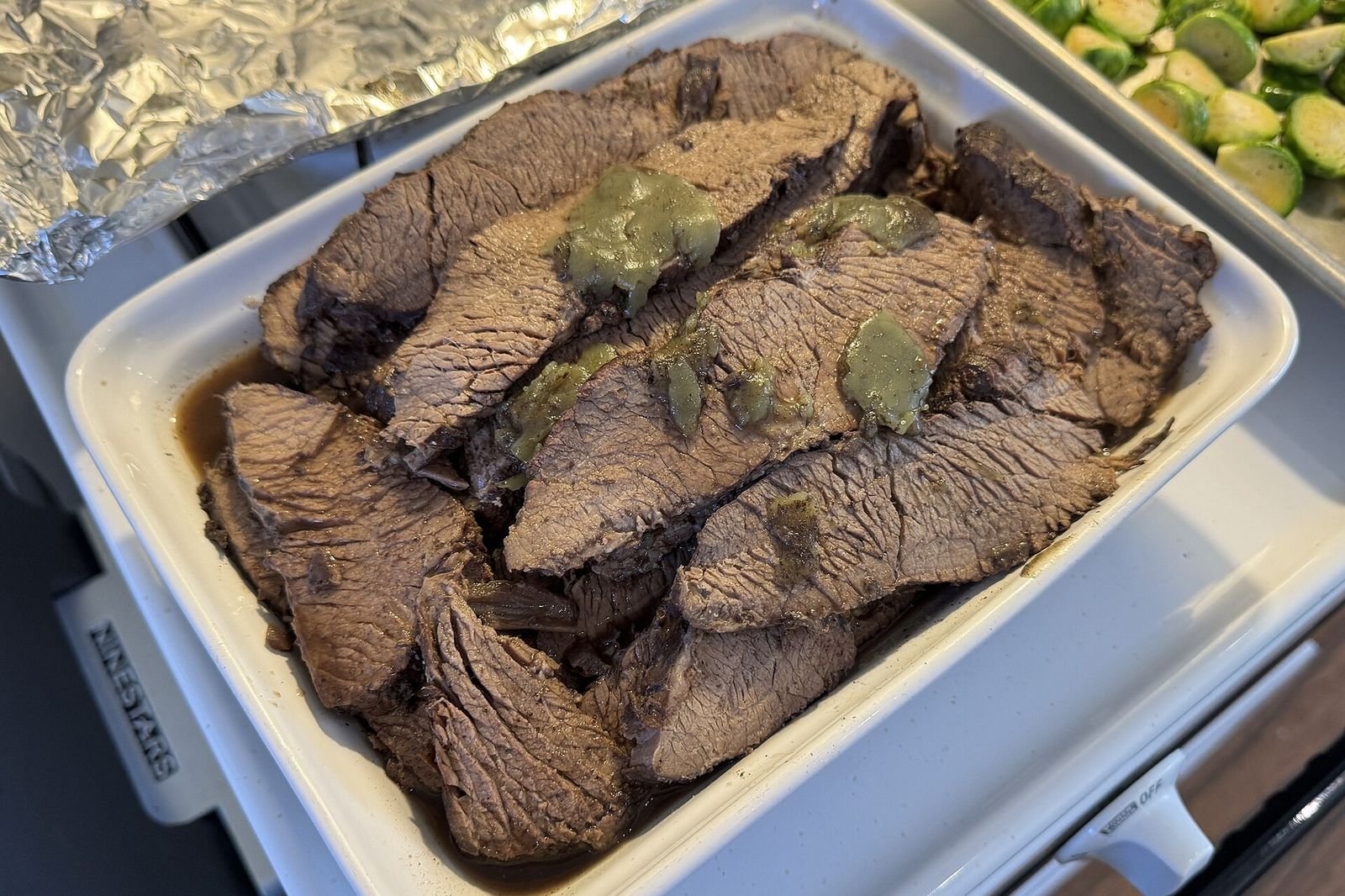
Photo: Brisket topped with fat – Decmeber 2023 – Sarah Stierch by Missvain, CC BY 4.0