Kamado grills are egg-shaped cookers with thick ceramic or insulated walls. That insulation helps them hold heat efficiently, making them versatile: they can smoke low and slow for hours, grill at high heat and even bake pizza. Many cooks love them as an all-in-one outdoor cooker.
This guide covers kamado basics in general terms. Models differ, so follow your manufacturer’s instructions, especially for temperature limits, gaskets and accessories.
How Kamados Work
Charcoal burns in a firebox at the bottom. Air enters through a bottom vent and exits through a top vent. Because the walls are insulated, kamados often need relatively little fuel and respond to small vent adjustments.
Fuel
Most manufacturers recommend lump charcoal. Some advise against lighter fluid because the ceramic can absorb odors. Use natural fire starters or electric starters.
Lighting
- Fill the firebox with lump charcoal
- Light one or more spots with fire starters
- Leave the lid open for several minutes
- Close the lid and set vents
Temperature Control
- Open vents for more heat
- Close vents for less heat
- Make small adjustments and wait
- It is easier to raise temperature than to lower it, so approach targets slowly
Heat Deflectors
Heat deflectors, sometimes called plate setters, block direct heat for indirect cooking and smoking.
Smoking
- Light a small area of charcoal
- Add wood chunks. See the best wood for smoking guide.
- Install the heat deflector
- Stabilize at a low temperature
- Add food and monitor with a thermometer
Kamados can hold low temperatures for many hours. See how to smoke a brisket.
Grilling and Searing
Open vents fully for high heat. Use direct heat without a deflector. Two-zone setups are possible with split deflectors or charcoal arrangements. See two-zone grilling.
Baking
With a deflector and pizza stone, kamados can bake pizza and bread.
Safety
Burping
When opening a hot kamado, especially at high temperature, crack the lid briefly first to let air enter gradually. This helps prevent flashback, a sudden flare when oxygen rushes in.
Other Safety Tips
- Use heat-resistant gloves
- Keep away from structures
- Never use indoors
- Place on stable, heat-safe stands
Care
- Clean out ash before each cook
- Burn off residue occasionally at higher temperature, within manufacturer limits
- Check and replace gaskets
- Protect from rain with a cover
- Check bands and hinges
Accessories
- Heat deflector
- Charcoal basket
- Extra grates
- Pizza stone
- Cover
Questions to Ask Before You Buy
- What size do I need?
- Is it ceramic or insulated steel?
- What accessories are included?
- How heavy is it to move?
Common Mistakes
- Overshooting temperatures
- Using lighter fluid
- Opening the lid too fast at high heat
- Not cleaning ash
A Note on Size
Kamados come in a range of sizes, from small portable models to large units that can cook for crowds. Larger kamados offer more grate area but weigh more and use more charcoal. Consider how many people you usually cook for, where the cooker will live and whether you need a stand or table.
A Note on Ceramic vs. Insulated Steel
Traditional kamados are ceramic, which retains heat well but can crack if dropped or exposed to sudden temperature changes. Some newer models use double-walled insulated steel, which may be lighter and less fragile. Both can work well; read manufacturer specifications and warranties.
Comparison Table
| Task | Setup | Vent approach |
|---|---|---|
| Low and slow smoking | Heat deflector, small fire | Mostly closed |
| Roasting | Heat deflector | Partly open |
| Grilling | Direct, no deflector | Open |
| Searing | Direct, hot fire | Wide open |
| Pizza | Deflector and stone | Open |
Starting Small
Start with simple cooks such as chicken thighs or burgers to learn how your kamado responds to vents. Then try a long cook with a heat deflector.
A Note on Weather
Because kamados are well insulated, they are less affected by cold and wind than many thin-walled grills. Still, rain can soak charcoal left inside and affect gaskets. Keep the cooker covered when not in use, and store lump charcoal in a dry container. In very cold weather, allow extra time to come up to temperature.
A Note on Moving a Kamado
Ceramic kamados are heavy and can crack if dropped. Use a sturdy wheeled stand or a dedicated table, lock wheels when cooking and get help when moving one. Avoid placing a kamado directly on wooden decks without a heat-safe base, following manufacturer guidance.
Final Pre-Cook Check
- Ash cleared
- Fresh lump charcoal loaded
- Gasket intact
- Deflector installed for indirect cooks
- Thermometer ready
- Burping habit in mind
Questions to Ask After Cooking
- Did the temperature hold steady?
- How much charcoal did I use?
- Did I overshoot when setting vents?
- What would I change next time?
A Note on Reusing Charcoal
After a cook, closing both vents starves the fire of oxygen and puts it out. Leftover lump charcoal can often be reused for the next cook. Shake out ash before adding fresh charcoal on top. This makes kamados economical on fuel.
Kamado vs. Other Cookers
Compared with kettle grills, kamados hold heat longer and use less fuel, but cost more and weigh more. Compared with pellet grills, they need more hands-on vent control but do not require electricity. Compared with offsets, they are more compact and fuel-efficient. Choose based on how you like to cook. See pellet vs. offset smokers.
Frequently Asked Questions
What is a kamado grill?
An insulated cooker that grills, smokes and bakes.
What fuel should I use?
Lump charcoal is commonly recommended.
Can I smoke on a kamado?
Yes, with a heat deflector.
How do I lower the temperature?
Close vents gradually.
What is burping?
Cracking the lid briefly before opening.
The Bottom Line
Kamados are versatile cookers that grill, smoke and bake. Use lump charcoal, make small vent adjustments, burp the lid, maintain gaskets and follow manufacturer guidance. See pellet vs. offset smokers.
Editorial note: Brisketry is independent and reader-supported. This guide is based on research into manufacturer documentation, published specifications and widely accepted best practices; we have not been paid to mention any product. If we add affiliate links in the future, they will be clearly disclosed per our Affiliate Disclosure.
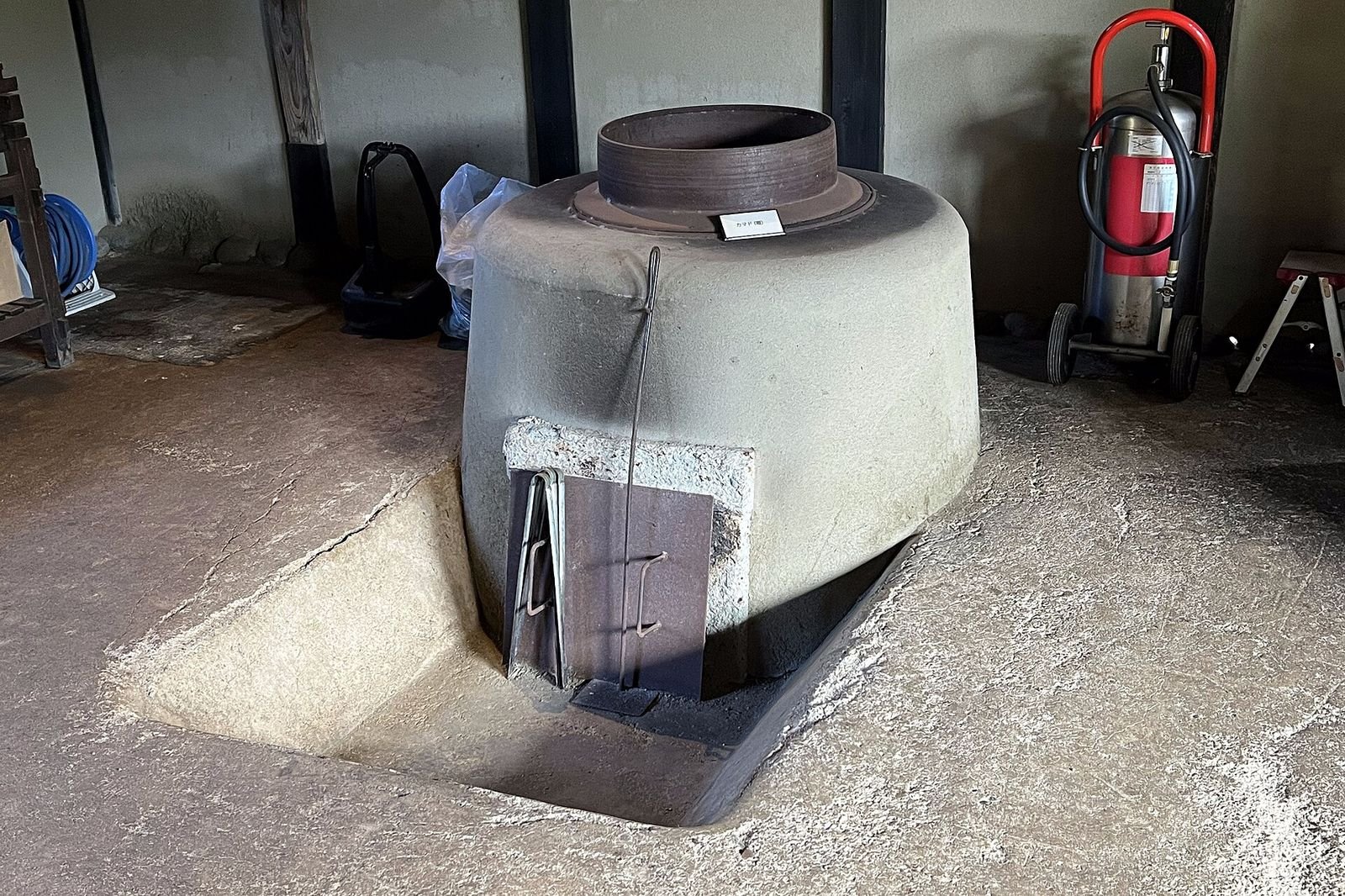
Photo: Former Kasuya Family House kamado 2025-11-03 by Asanagi, CC0 1.0